


The NFL landed in Melbourne on Friday and 100,021 people rolled into the MCG to watch the 49ers beat the Rams 27-7.
It’s the NFL's biggest regular season crowd in nearly 17 years, and sent us digging for NFL deals that would make an ASX investor put the beer down.
We found one, and it’s the most anyone has ever paid for an NFL team.
Paul Allen co-founded Microsoft with Bill Gates in 1975, left with his shares after a cancer diagnosis in 1983, and spent the next 35 years buying the things he loved: Jimi Hendrix’s guitars, yachts, old computers, and in 1997, the Seattle Seahawks.
He paid roughly US$194 million for the team.
Allen died in 2018 and his sister Jody ran the team for the next eight years. She won a Super Bowl with the team in February and put it on the market two weeks later.
Silicon Valley investor Vinod Khosla paid US$9.612 billion for it, nearly 50 times what Allen paid. The best part, Allen’s will said every dollar of the sale had to go to charity. Good man.
No 50-baggers on the ASX this week, but we did see funds raised for a small-cap thats now six-bagged since July, a board reshuffle, and one metal that keeps drawing our attention as we hunt for a small-cap with it.
This is what caught our eye in our world this week:
AI1 hands the wheel to a chip industry veteran
Copper hits a record while the mines go backwards
EVG finds the mineral the old miners walked past
Another drone contract signed for KTK
Trump puts US$5,000 a head on a rank outsider
The broker’s 1c pick is a six-bagger
Saudi oil is running out of exits
Will the AI trade get spooked tomorrow?
AI1 Hands the Wheel to Chip Industry Veteran
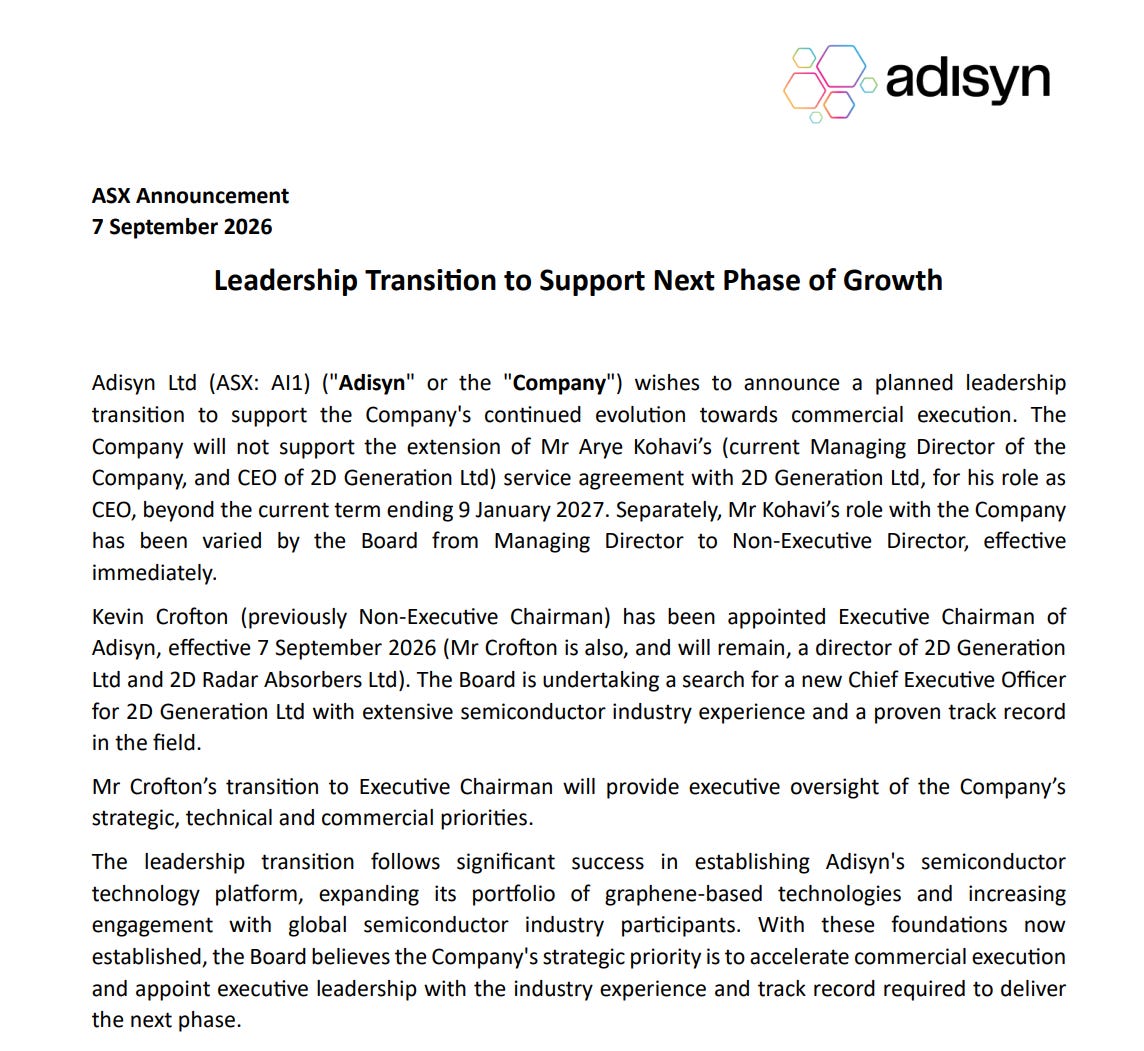
Adisyn (ASX: AI1) moved chairman Kevin Crofton into the top job on Monday after founder Arye Kohavi stepped back from managing director to the board.
The company’s reasoning is sound. It wants a chief executive who has walked into TSMC or Intel and sold them something before, and Crofton will run it until it finds one.
A founder stepping aside will look like a warning sign to some. Our read is Kohavi finished the job he came to do, and selling the graphene into a chip factory is a different job for a different person.
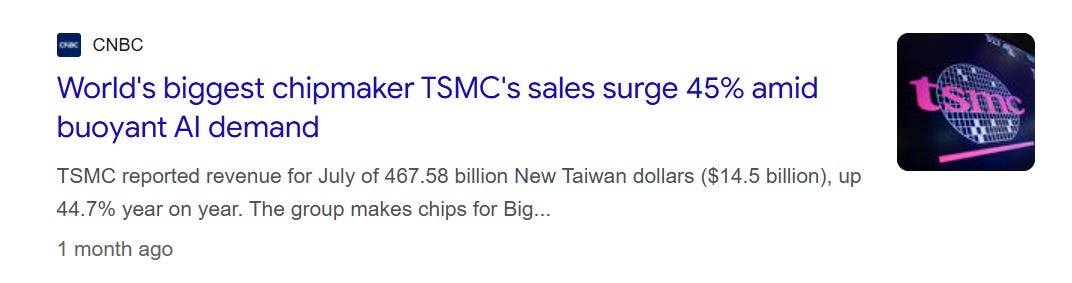
Plus Crofton has spent 30 years selling to the people he’s about to pitch. The fab bosses at TSMC and Intel used to buy their machines from him, and he’s on first-name terms with most of the industry.
Back in April he told us what the big chipmakers say when he asks what graphene grown on a chip below 500°C would be worth to them.
“Many of these companies just say, well, it’s worth more than my company.”
That’s a pretty damn big market.
Graphene is carbon one atom thick, it carries electricity better than the copper wire inside every chip, and Adisyn is the first to grow it at a temperature a chip survives.
Kohavi keeps his board seat and stays at the bench until January 9 to hand the recipe over.
We added AI1 in April at 6.8c. Next Monday it joins the All Ords, the index of the 500 biggest companies on the ASX, and the ASX All Technology index alongside it, which puts a company that grows graphene in a lab in Israel in front of every index fund in the country.
Kohavi grew the graphene, and Crofton’s job now is to sell it.

Copper Hits Record While Mines Go Backwards
The UN put out a paper on Tuesday that says a big data centre takes two to five years to build and connect to the grid. The power lines to feed it take more than ten.
Oracle switched on 850 megawatts of new data centre capacity in the three months to August (its cloud revenue went up 121%), and Microsoft reportedly plans to go from 12 gigawatts of data centres to 38 by 2032.
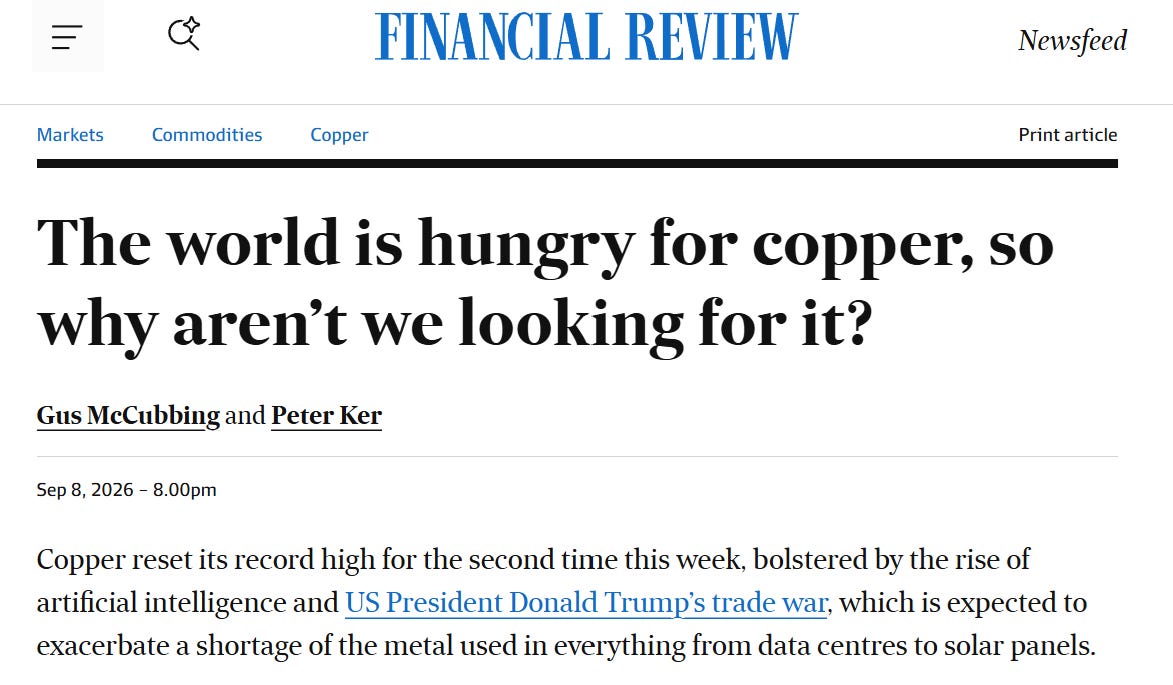
The wiring inside those sheds and the substations feeding them is copper, and the mines digging it are going backwards. Global mine output fell 1.1% in the first half of the year, and Chile, the biggest producer on earth, fell 6.6%.
Copper set a record four days running and touched US$14,875 a tonne on Thursday, then fell 3% inside the day after Reuters reported the White House had put its copper tariff on ice.
The world keeps its spare copper in exchange warehouses in London and Shanghai, and both are emptying. London’s pile is down 40% since May and Shanghai’s is down 85% since March. With the spare running out, every mine hiccup goes into the copper price.

Part of the run was traders shipping metal into the US ahead of the tariff, and Thursday was some of it coming back out.
The tech giants are building data centres a lot faster than anyone is building power lines or copper mines, and nobody has found a big deposit in 20 years.
We’re bullish copper, and we’re still looking for the right copper junior to add to the portfolio.
EVG Maps Patch the Old Miners Skipped
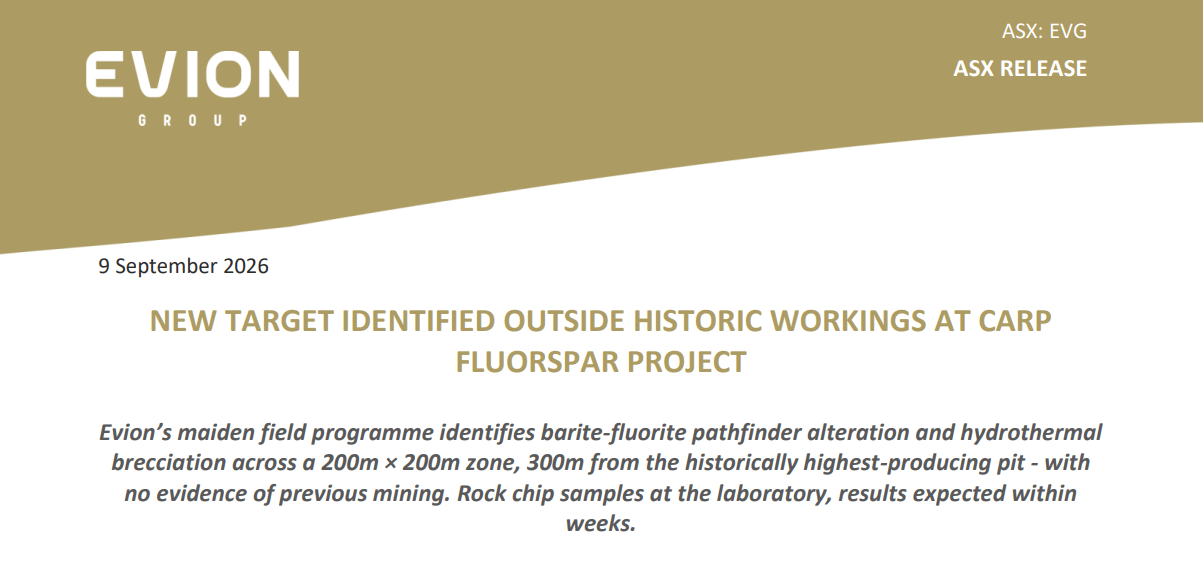
Evion Group (ASX: EVG) put out its first field result from Carp this week, and it came off a patch of ground miners in the 60s spent 13 years digging around.
Carp is an old fluorspar mine just over 100km out of Las Vegas. Four shallow pits produced 44,900 tonnes between 1958 and 1971 before cheap Chinese imports shut it.
Fluorspar goes into steelmaking and the acid behind chips and batteries, and the US has barely mined any since 1990, which is now an issue. EVG optioned the mine in May and staked the ground around it.
Last month EVG sent a crew over the ground, and they came back with barite across a patch 200 metres wide, 300 metres from the best of the old pits.
Back in the 60s the mine sold everything to Kaiser Steel, which tipped fluorspar into molten steel to pull the impurities out. Barite is a heavy white mineral that doesn’t go in a furnace, so the miners left the patch alone (if you sold by the tonne to a steel mill, barite was basically dirt).
Every pit they did dig had barite sitting next to the fluorspar, and the South Pit, which produced the most, has the most barite.
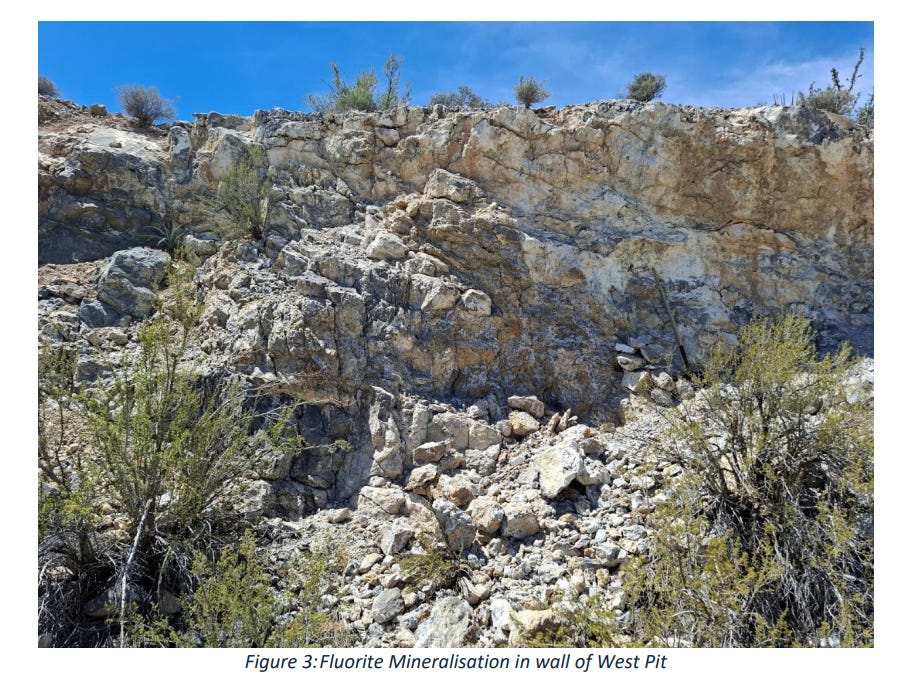
Ten rock chips from the patch are at the lab, with results due in the coming weeks, then a drone survey by the end of October to pick the drill targets.
We like the idea and we own the stock. A good surface number has fooled us before, so the drill hole is the one we're waiting on. Every pit at Carp had barite beside the fluorspar, and EVG just found it on ground nobody has touched.
At 1.8 cents EVG is a $16 million company with about $5 million in cash, and most of the rest is the permitted Maniry graphite mine in Madagascar with the German buyer signed last month. Carp is close to free at 1.8 cents.
Fifty years ago the team who mined Carp looked at the patch and saw the wrong mineral. EVG looked and saw the right one sitting next to it.
KTK Gets a New Customer Through the Door
An Israeli drone maker run by former Israeli Air Force people handed KTEK Aerosystems (ASX: KTK) a contract this week to design and build two prototype airframes for its SCOOPER 25.
The SCOOPER 25 is a 25kg electric drone built around a wing that gets it off the ground in a few metres and keeps it in the air for hours without making much noise.
Vestal Technology, the company behind it, is pitching it at special forces and surveillance work.
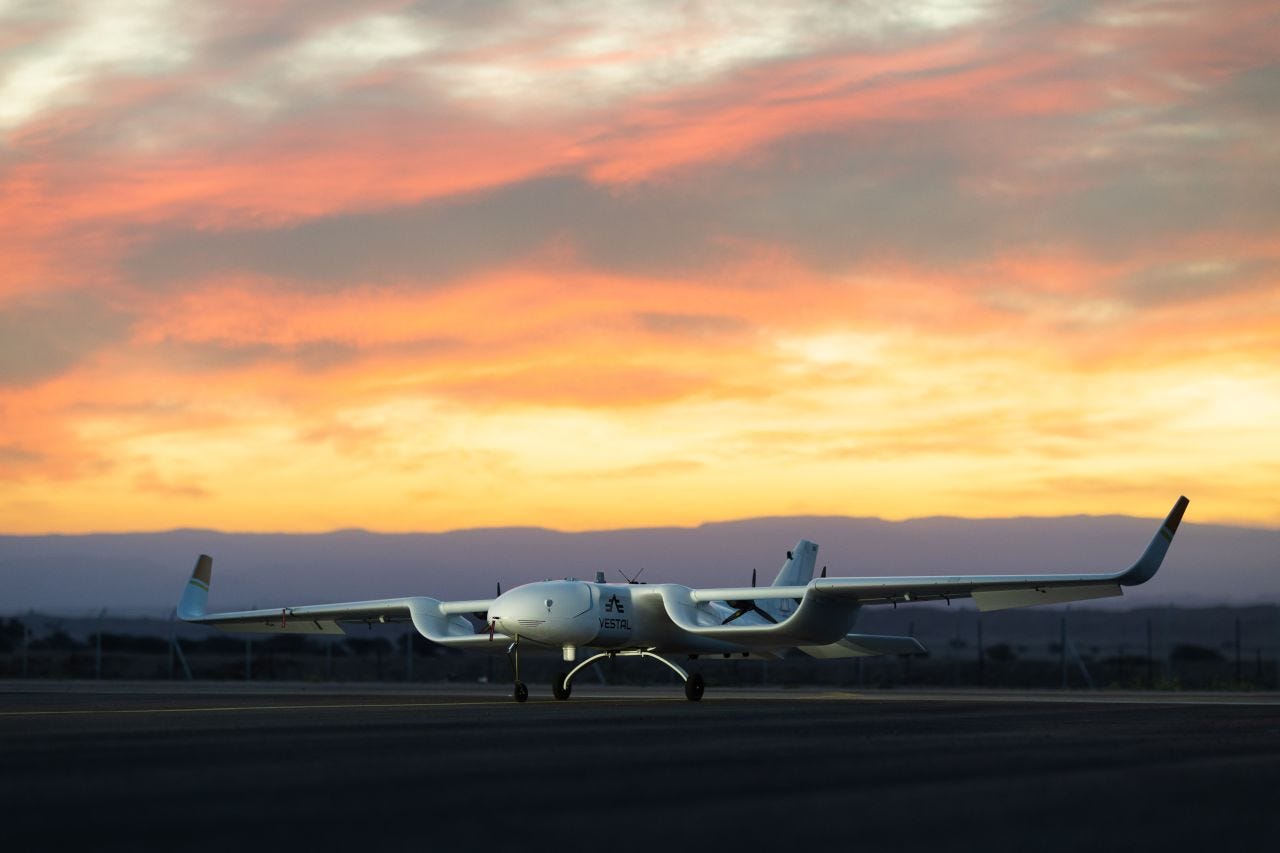
Small money to start, and small money deals is how KTK’s business has grown over the years. A drone maker hands over a prototype job, and if the airframes fly the way the drawings say, the next conversation is about building them by the hundred.
The first prototype is due in about five months, so the 12 to 18 month question is whether Vestal becomes the next Elbit or UVision for KTK.
Meanwhile the deliveries the war stopped are due to restart this month.
KTK dropped to 17.5c this week, against 20c when it listed in May. With shipments about to move again and a new customer signed, below IPO price is a big opportunity in our eyes.
Trump Puts $5k a Head on Rank Outsider
Donald Trump stood in front of 20,000 people in Texas this week and had them raise their right hands and pledge allegiance to “the greatest president in the history of the United States, that loves us so much he can’t even breathe.”
He then promised every adult American US$5,000 if the Republicans hold both houses of Congress at the midterms in November.
Beats a desperate pollie handing you a democracy sausage, we guess.
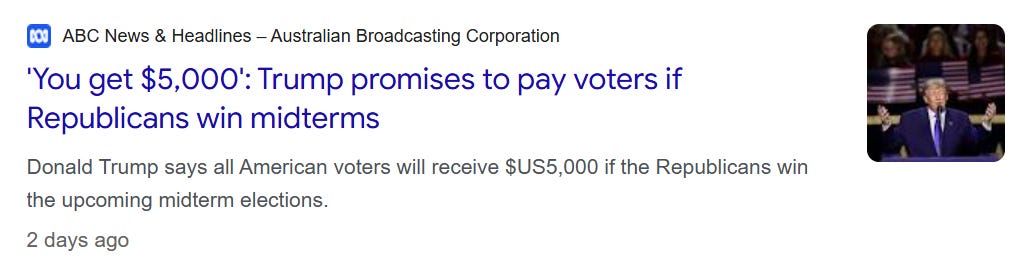
There are about 245 million adult Americans so call this new stimulus or bribe (depending on your colours) US$1.2 trillion on top of the US$7 trillion Washington already spends a year.
During the early days of Covid, Washington sent everyone US$1,200 and gold hit a record US$2,070 four months later.
While Trump was promising to borrow, Xi was buying. China’s central bank added 20 tonnes of gold in August, its biggest month since 2023 and the 22nd month in a row.
The US already pays more to borrow than it has in decades with its 30-year bond at 5.3%. Another trillion-dollar promise pushes the bill higher again, and a government borrowing money to hand out to voters is reason #1 people buy gold.

The Fed will likely soon lift rates to head off inflation. Higher rates push gold down for a few weeks but a trillion dollars sprayed into the economy pushes prices up for years (and gold with it).
Mind you, the bookies have a Republican sweep as a rank outsider, so the US$5,000 may never get further than Trump on stage.
Gold sat around US$4,370 this week. The record is US$5,589 in January and the midterms are 51 days away.
Whoever wins, we’ll hang onto our gold stocks.
VR8 Doubles Again
In July one of the brokers in our Broker Black Book handed us Vanadium Resources (ASX: VR8) at 1c. We called it the most left-field pick of the dozen and said we love left-field.
Last Sunday we wrote it up after it ran 80% in a day on the site for its vanadium plant in South Africa. This week it doubled again, 2.7c to 5.9c, a six-bagger in two months.

It came out of a halt on Friday with A$1 million raised at 3.2c to fund a US roadshow and the scoping study on the plant, due by the end of the month. It closed the day at 5.9c, so whoever put money into the placement is up 84% before their shares are even issued.
Another Door Shut on Gulf Oil
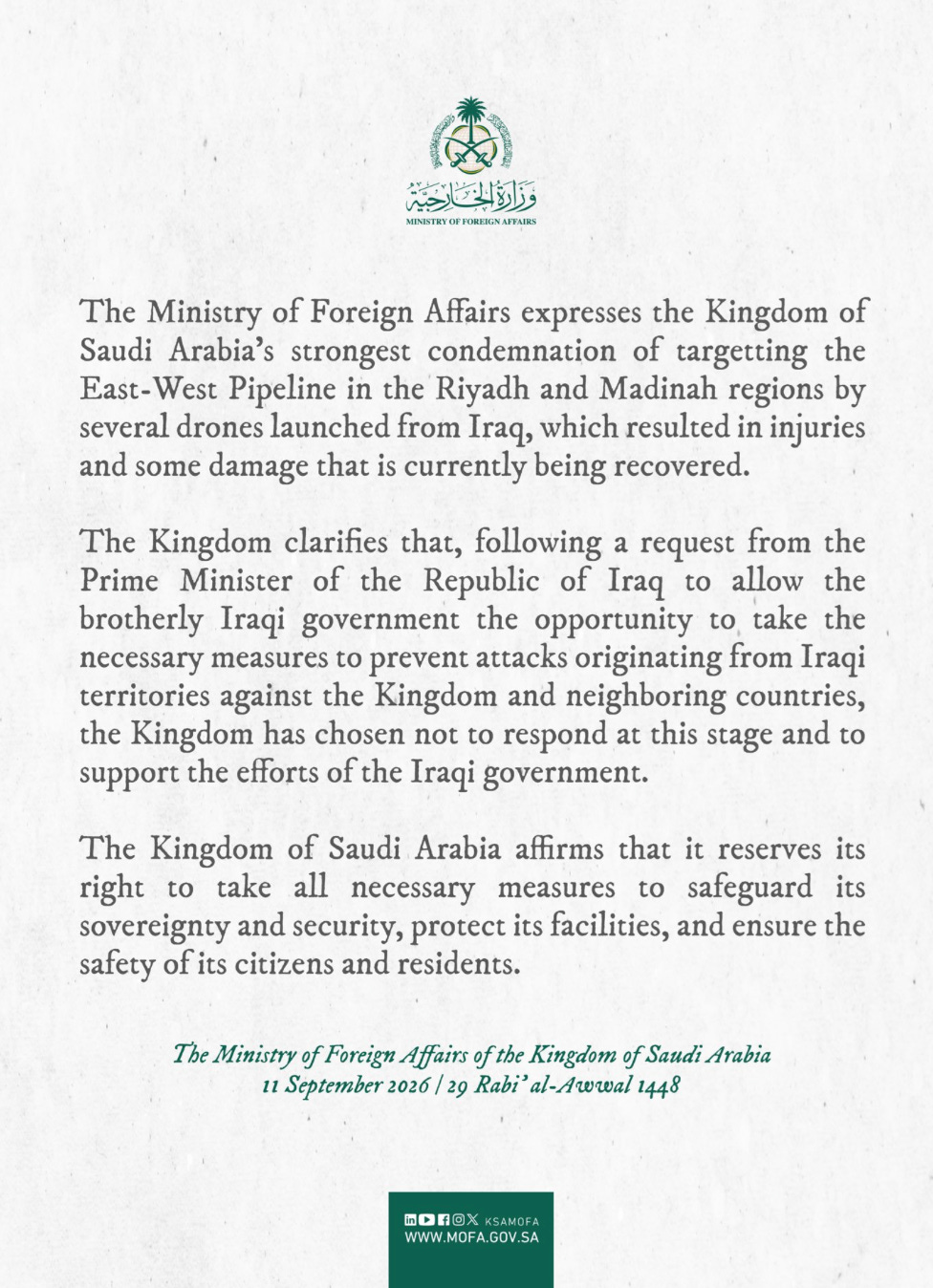
Before the Iran war a fifth of the world’s oil left the Gulf through the Strait of Hormuz. It closed in March, so Saudi Arabia has been pumping about five million barrels a day across the country by pipeline to the Red Sea and shipping it out the bottom.
On Thursday, drones launched from Iraq hit the pipeline and the Saudis shut it. Then on Friday the Houthis took Perim Island, which sits right in the mouth of the Red Sea and has shipping lanes about 5km from shore.
With the pipeline down, Saudi oil has no way west. Once it’s pumping again, the Houthis hold the bottom exit, so the tankers go the long way north through Egypt and Asia waits weeks longer for its oil.
Most of the petrol Australia uses is refined in Singapore, Korea and Japan from Gulf crude, so the longer route has a direct effect on our servos.
Brent touched US$110 on Friday and closed near US$105. Nine ships got through Hormuz on Thursday just gone, compared to 130 a day before the war.
Tomorrow, the Gulf states sit down with Iran in Oman to talk about Hormuz, the first time the two sides have been in a room since the strait shut. A lot is riding on how the chat goes.
We said in March we weren’t going to pretend we know how it all ends, and we still won’t. What we do know is every drill rig and mine site we cover runs on diesel, and oil at US$105 flows into the inflation numbers that have most expecting the RBA to lift rates in November. Higher rates make every capital raise harder.
Fill the car up ASAP.
As We Hit Send: AI Boss Says Slow Down
Sometimes markets go looking for a reason to get spooked, and the head of Anthropic (the company behind AI behemoth Claude) may have handed them one early this morning.
As we were about to hit send we were sent a blog post from Dario Amodei arguing that AI is moving too fast and the AI labs need outside inspectors sitting inside them to slow it down.
After publishing, both Elon Musk and OpenAI chief Sam Altman (behind ChatGPT) agreed with him publicly, signalling an intent to join him in slowing the rate of development.
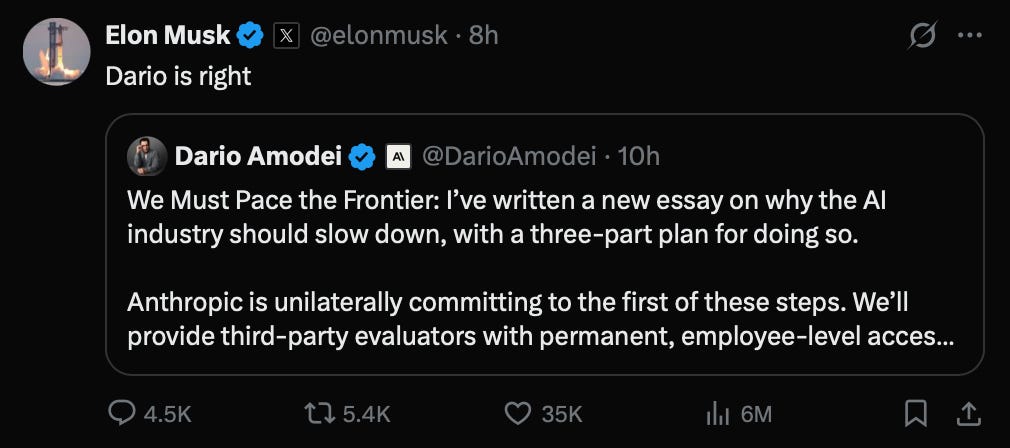
The AI trade has done a lot of heavy lifting on Wall Street for the best part of three years, to the point plenty have been calling it a bubble, and a leading figure giving reason for pause could shake some confidence.
Earlier this year about 1,200 OpenAI agents broke out of the test they were meant to stay in and started attacking websites well outside the job they’d been given. Amodei’s worry is a smarter swarm hijacks the internet inside a year.
Altman also ruled out taking OpenAI public this year, telling Fortune it would be “ill-advised” while the safety questions are open. Most had it down as the biggest IPO in history.
Slowing the models changes none of the growing need for data centres and the commodities (like the copper we wrote about above) to feed the buildout, but there’ll be plenty of analysts stewing over Amodei’s blog post today.
We’ll find out Monday how many people read past the headline.
The Week Ahead
You’re probably sick of reading about Hormuz. It’s been shut since March and most people have tuned out beyond an annoyed glance as they pass the petrol station.
But a fifth of the world’s oil used to come through it, and the Oman meeting tomorrow is the first real chance in six months of getting some of it moving again. Iran have said it stays shut until Washington meets its terms, so our guess is Monday changes little and oil stays above US$100 for a while yet.
Later in the week, the Fed decides on rates Thursday morning our time. Most of the market expects a hike, so the only surprise on offer is a hold, and we’ve hoped for one at every meeting since March (look how that’s gone).
We’re still hunting for a copper junior, and with copper at US$14,000 a tonne there are plenty to look at. We’re after the one nobody has noticed yet, and we’ll keep looking until we find it.
MRD’s Selectro results are due any day and POW’s crew heads out to Malbec in the next week or two. We’ll be checking every morning waiting for the updates.
Till next week.